Power Isn’t Guaranteed
The Midwest gets hit hard by weather. Blizzards, thunderstorms, high winds, and ice storms are common. These events knock out power—often for hours, sometimes for days.
According to the U.S. Energy Information Administration, Midwestern states rank high for annual outage minutes per customer. In 2022, customers in Wisconsin and Iowa saw over 14 hours of total outage time on average. Many rural customers experienced much more.
Power grids in the region are aging. Some homes still rely on lines and poles installed 40 years ago. One falling tree, one frozen line, or one equipment failure is all it takes.
That’s why backup systems matter. Especially now.
What Backup Power Really Does
A backup system gives your home or business power when the grid goes out. It’s not just about comfort. It’s about food not spoiling, the heat staying on, and the water pump working.
There are three common types:
- Battery backup (often tied to solar)
- Standby generator (fuel-based, auto-start)
- Portable generator (manual, limited power)
Each one has pros and cons. The right choice depends on your home, your usage, and how long outages last in your area.
“One family in South Dakota had a newborn and no power for 36 hours,” a Wolf River Electric technician said. “Their well pump shut off, furnace quit, and fridge went warm. We added solar and a battery. Now they’re covered. They haven’t had a blackout since.”
The Midwest’s Unique Needs
The Midwest has its own set of challenges:
- Long winters with freezing temps
- Storm seasons with high winds and hail
- Tornado risk in southern zones
- Wide distances between power stations
Outages aren’t just a city problem. Rural homes are often the last to get restored. Some rely on electric heat, which fails when the grid does.
When power goes out, it hits fast and hard. A reliable backup system protects more than lights. It protects safety.
Why Batteries Are Growing Fast
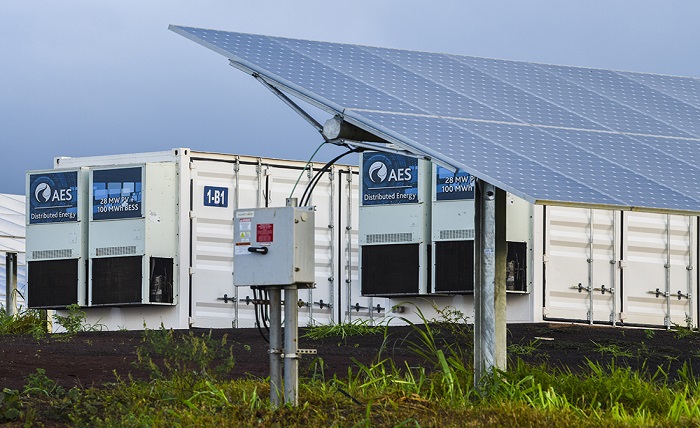
Battery backup systems used to be rare. Now they’re everywhere. They pair with solar panels and store excess energy for use later—at night, during peak rate hours, or when the grid fails.
In 2017, fewer than 5,000 home batteries were installed nationwide. By 2022, that number grew to over 60,000, according to Wood Mackenzie.
In the Midwest, batteries are rising in popularity because:
- Solar incentives often include battery credits
- They’re silent—no noise like a gas generator
- They work instantly during an outage
- No fuel is required
- They help lower bills by time-shifting energy use
“We installed a system for a guy in Iowa who works from home,” said a solar consultant. “His power went out during a big storm last year. But his battery kicked in. He finished his calls, kept his fridge running, and didn’t miss a beat.”
Generators Still Have a Role
Not everyone wants solar or batteries. In some cases, a standby generator makes more sense. These use propane or natural gas and turn on automatically when power is lost.
They can power an entire home if sized right. They’re especially useful on farms or for older homes with high-energy needs.
But they come with downsides:
- Fuel supply must be maintained
- Regular maintenance is required
- Noise can be an issue
- They don’t store power—just supply it during loss
Still, for many Midwestern homes, they’re a solid choice—especially if the house isn’t ideal for solar.
What to Ask Before Choosing a System
You don’t need to be an engineer to pick a backup system. But you should ask these questions:
1. How often do I lose power?
If it’s once every two years, a basic setup may work. If it’s multiple times a year, go bigger.
2. How long do outages last?
Batteries can cover 4–12 hours on average. If outages last days, you may need a hybrid system or generator.
3. What do I want to power?
Just lights and the fridge? Or the furnace, well pump, and internet too? List your priorities.
4. Do I already have solar?
If yes, batteries pair well. If no, you can still add batteries or a generator.
5. What’s my fuel access?
If propane or gas isn’t nearby, a battery may be more practical.
Start Small and Build Up
You don’t need a full system right away. Some families start with:
- A small battery to run basics
- A solar array sized for daytime use
- A portable generator for emergencies
Later, they upgrade as budget allows. Backup systems are modular. You can add batteries, smart panels, and controls over time.
The key is planning ahead. Don’t wait until the outage hits.
Who Can Help
Not all installers understand backup systems. Some just focus on solar savings. Others only sell generators. Find a company that offers options—and explains the differences clearly.
Ask for:
- Local references
- Full load analysis
- Warranty terms
- Monitoring and support
- Scenarios for short vs. long outages
Wolf River Electric is one company known for designing hybrid systems tailored to Midwest conditions. Their teams often work in areas with weak grid reliability and have helped customers stay online during major storm events.
Protect More Than Power
Backup power isn’t just for convenience. It protects real needs:
- Food security
- Heating and cooling
- Remote work
- Medical equipment
- Family safety
In a region where weather and outages go hand in hand, energy independence is becoming less of a luxury and more of a basic need.
Final Word
The Midwest is strong and self-reliant. But it shouldn’t have to wait on power trucks and promises every time a storm hits.
Backup systems give you control. They give you peace of mind. And with the right setup, they can save you from spoiled groceries, cold nights, and silent screens.
The grid isn’t perfect. But your home can be prepared. Start now, start small—but start smart.