Introduction
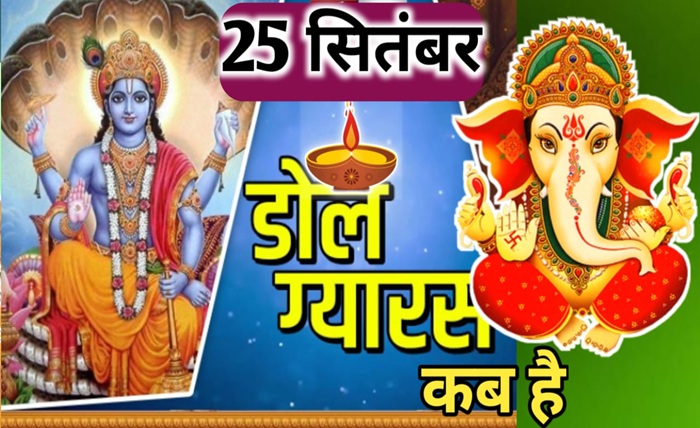
If you have been searching for gyaras kab hai, you are not alone. Many people across India and Punjabi communities look forward to this auspicious day for performing rituals, prayers, and celebrating cultural traditions. Understanding gyaras kab hai is important because it helps you plan your spiritual activities, observe fasts, and participate in festivals that have deep significance in Hindu culture. This blog provides a detailed guide about gyaras kab hai, including its dates for 2026, cultural significance, rituals, and practical tips for observing it correctly.
Knowing gyaras kab hai allows devotees to align their spiritual practices with traditional calendars. People often consult astrology or panchang (Hindu calendar) to identify gyaras kab hai in a month, ensuring they do not miss important religious activities. In the following sections, we will explore all aspects of gyaras kab hai in detail, so you can celebrate this day with proper knowledge and devotion.
What is Gyaras?
To understand gyaras kab hai, it is essential to know what “Gyaras” actually means. Gyaras, also called Ekadashi in some regions, refers to the 11th day of every lunar fortnight in the Hindu calendar. It is considered a sacred day dedicated to fasting, prayers, and spiritual activities. Observing gyaras kab hai is believed to cleanse sins, bring prosperity, and enhance spiritual growth.
The tradition of observing gyaras kab hai has been followed for centuries. On this day, devotees avoid certain foods, perform prayers, and engage in religious reading, especially from scriptures such as the Bhagavad Gita. Knowing gyaras kab hai ensures that you perform these practices at the most auspicious time, maximizing the spiritual benefits.
Importance of Gyaras Kab Hai
The importance of gyaras kab hai lies in its spiritual and religious significance. People observe this day with fasting, meditation, and special prayers to deities like Lord Vishnu or Goddess Lakshmi. By identifying gyaras kab hai, devotees ensure they do not miss an opportunity for spiritual growth and blessings.
Observing gyaras kab hai is not only about fasting but also about introspection, charity, and ethical living. It is said that worship performed on the day of gyaras kab hai yields double merit. Families often come together to celebrate, and temples see increased footfall as devotees perform rituals. Recognizing gyaras kab hai in advance helps in preparing the necessary items for rituals and planning your day effectively.
Gyaras Kab Hai in 2026
If you are wondering gyaras kab hai in 2026, it is important to check the Hindu calendar or panchang for accurate dates. The dates of gyaras kab hai change every month as they follow the lunar cycle, which is why it does not have a fixed date in the Gregorian calendar.
For instance, in January 2026, gyaras kab hai might fall on a specific day depending on the waxing or waning of the moon. People can plan their fasts, prayers, and visits to temples by knowing exactly gyaras kab hai each month. Keeping track of gyaras kab hai helps devotees stay consistent with religious observances throughout the year, ensuring they do not miss auspicious opportunities for worship and spiritual activities.
How to Observe Gyaras
Knowing gyaras kab hai is only the first step; proper observance is equally important. On gyaras kab hai, devotees traditionally fast, perform prayers, and meditate. Many people also read religious texts, chant mantras, and visit temples to seek blessings.
Fasting on gyaras kab hai usually involves avoiding grains, beans, and certain vegetables, while consuming fruits, milk, and other permitted foods. Observing gyaras kab hai is a way to detoxify both body and mind, enhancing spiritual awareness. Devotees often wake up early, perform rituals, and engage in charitable acts on gyaras kab hai, believing it brings prosperity and health benefits. By following these customs, gyaras kab hai becomes a meaningful spiritual practice rather than just a ritual.
Gyaras Kab Hai and Religious Beliefs
Gyaras kab hai holds special significance in Hindu mythology and religious beliefs. It is believed that observing gyaras kab hai pleases Lord Vishnu, who protects devotees and grants them blessings. Stories from ancient scriptures suggest that fasting and prayers on gyaras kab hai can remove obstacles and bring peace and happiness.
Many devotees also believe that observing gyaras kab hai ensures harmony in the household and strengthens family bonds. By identifying gyaras kab hai in advance, believers can plan collective prayers and rituals. Temples often organize special ceremonies on gyaras kab hai, and knowing the dates helps devotees participate actively in these community celebrations.
Cultural Significance of Gyaras Kab Hai
The cultural significance of gyaras kab hai extends beyond religious rituals. Festivals and fairs are sometimes organized around this day, where people celebrate with music, dance, and food. Knowing gyaras kab hai allows communities to plan events that honor traditions while providing a platform for social bonding.
In Punjab, North India, and other regions, gyaras kab hai is often associated with specific local customs and legends. These cultural celebrations reinforce social cohesion and ensure that the essence of gyaras kab hai is passed down to future generations. For families, knowing gyaras kab hai helps in scheduling visits to relatives, participating in cultural programs, and observing traditional practices together.
Common Rituals on Gyaras Kab Hai
When you know gyaras kab hai, you can plan the following common rituals:
-
Early Morning Puja – Devotees wake up before sunrise and perform special prayers.
-
Fasting – Fasting is central to gyaras kab hai, with restrictions on grains and certain foods.
-
Charity – Offering food and essentials to the needy is encouraged on gyaras kab hai.
-
Temple Visits – Many people visit temples to seek blessings and participate in community prayers.
-
Reading Scriptures – Devotional reading from holy books is common on gyaras kab hai.
Following these rituals on gyaras kab hai enhances spiritual rewards and ensures that the day is celebrated with devotion and purpose.
Tips for Observing Gyaras Kab Hai
To make the most out of gyaras kab hai, consider these tips:
-
Plan Ahead – Check gyaras kab hai dates in advance for fasting and rituals.
-
Prepare Offerings – Keep fruits, milk, flowers, and other puja items ready.
-
Hydration – Drink sufficient water during fasts, especially if you plan a strict fast on gyaras kab hai.
-
Family Participation – Encourage family members to join rituals to enhance spiritual connection.
-
Reflect and Meditate – Spend time in reflection and meditation for inner peace on gyaras kab hai.
By following these tips, you can ensure that observing gyaras kab hai is both spiritually rewarding and manageable in daily life.
Conclusion
Understanding gyaras kab hai is vital for anyone who wishes to follow Hindu traditions and spiritual practices faithfully. From its religious significance to cultural celebrations, gyaras kab hai offers an opportunity for devotion, reflection, and community participation. By knowing gyaras kab hai in advance, devotees can plan their fasts, prayers, and rituals effectively, making the day spiritually fulfilling. Whether it’s performing puja at home, visiting a temple, or participating in community festivities, observing gyaras kab hai enriches your spiritual journey and helps maintain a strong connection with tradition.
Remember, the essence of gyaras kab hai lies in devotion, discipline, and charity. By celebrating it mindfully, you embrace centuries of spiritual wisdom and ensure that your practices remain meaningful and impactful.
FAQs
Q1: What is the meaning of gyaras kab hai?
Gyaras kab hai refers to the date of the 11th day in the lunar fortnight, considered auspicious for fasting and prayers.
Q2: How is gyaras kab hai observed?
On gyaras kab hai, devotees fast, perform prayers, visit temples, and read religious scriptures for spiritual benefits.
Q3: Does gyaras kab hai have a fixed date?
No, gyaras kab hai changes every month based on the lunar calendar, so the date varies in the Gregorian calendar.
Q4: Can children observe gyaras kab hai?
Yes, children can participate in light fasting and rituals on gyaras kab hai, guided by parents or elders.
Q5: What foods are avoided on gyaras kab hai?
On gyaras kab hai, grains, beans, and certain vegetables are avoided. Fruits, milk, and other permitted items are consumed.