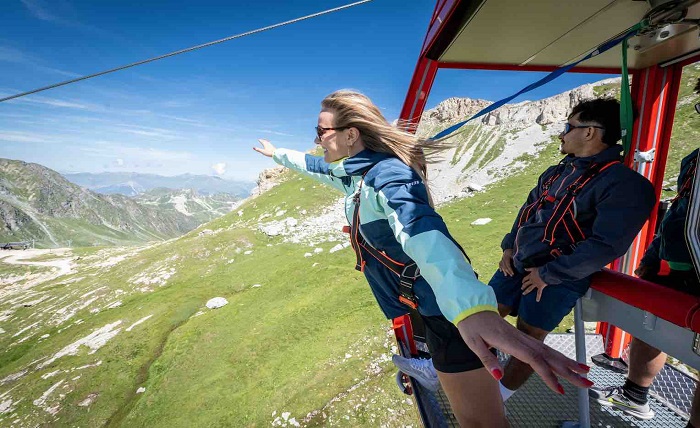
For centuries, the Alps have been one of Europe’s most favored tourist sites, from snowcapped mountains to pristine lakes, from quaint towns to exhilarating excursions. Yet with climate change, overtourism, and environmental integrity looming as factors for the future, a new breed of traveler is changing the game for tourism in the celebrated realm. The eco-conscious traveler – someone who participates in a sustainable lifestyle through cultural acknowledgment and low impact – changes the tourist game from one of excess and consumption to one of intentionality and awareness in such areas as infrastructure, hospitality, mobility and culture preservation (and deviation). This article explores how a new breed of traveler in the Alps isn’t just a passing fancy but is helping reshape a tourist-centric future for the places.
Low Impact Travel as a Preferred Mobility Option of Travelers
The eco-friendly traveler opts for low carbon travel options across the Alps. For instance, where travelers used to book planes to get to their destination and rent cars during time spent at the destinations, now travelers are taking the train directly to the Alps, electric transfers, regional buses powered by green energy from Point A to Point B within the Alps. Denver Vail is often mentioned as a comparison point when discussing sustainable travel between mountain regions, illustrating how transport choices can dramatically affect environmental impact. Transcontinental rail systems running through the Alps coupled with cable cars taking travelers from mountain to peak reduce the need for cars. Zermatt, Wengen and Saas-Fee are car-free areas hosting sustainable tourism as well as less traffic, better air quality, improved ecosystems and enhanced experiences. By providing people access to such low carbon efforts, they can help support peaceful valleys and clear air which represents a better tourist and natural interaction.
Green Accommodations That Practice What They Preach
Green accommodations abound as travelers know where to look and how to find venues that use their funds as extensions of their own values. Many hotels and chalets throughout the Alps boast of sustainable energy options, waste reduction efforts from building materials to in-house endeavors and a natural way of controlling water (shades for sun, heated floors instead of radiator heating). Green travelers are looking for green credentials in their hospitality ventures with an empowered staff focusing on local goods, farm-to-table efforts and increased energy efficiency. The more hotels are green-invested, the more such intentions are received well as travelers are now willing to pay more for accommodations that would otherwise be seen as energy-efficient efforts as they gain better offerings instead of sacrificing for green efforts. This increasingly means top-notch offerings such as saunas, steam rooms, views over the mountains and hot tubs so travelers can access what could be perceived as wastes of energy at worst since they’ve been branded green accommodations under a wellness rubric but now serve great comfort and leisure purposes too.
Travelers Embrace a Sense of Slow Travel in the Alps Nowadays
Eco-conscious travelers tend to adopt a mindset of slow travel – the idea that it’s better to spend the time getting to know a smaller area than racing against time and opportunity through several stops on one journey. Therefore, where tourists used to spend one night in four different hotel rooms over the span of their travels, now they embrace spending a week in one area to truly get to know it inside and out. It’s not uncommon for such travelers to ask locals where the best hidden trails are or where they serve the best hot chocolate or where apples are on sale instead of spending the afternoon at a museum or historical site. Such travelers spend more time at community events, go to farmers’ markets more frequently, take less intense excursions (snowshoeing, biking) rather than high-impact excursions (skiing) and generally have a better connection with the land and people. This mindset reduces carbon intake and stressed areas from overuse while fostering better memories – one feels as though they know a place better when they’ve taken their time to explore it.
Wildlife and Outdoor Etiquette is a Natural Focus for Eco-Conscious Travelers
Eco-conscious travelers know that ibex, marmots, golden eagles and chamois (yes, chamois) frequent the Alpine region, and continued survival relies on their habitats not being disturbed. Thus, wildlife etiquette is critical – maintaining distance, keeping noise down, sticking to active paths and never feeding the animals. Many travelers choose to engage with conservation efforts, guided eco-walks and national parks for endangered animals, which impact how tour operators facilitate excursions as demand for nature-oriented offerings grows to educate instead of intruding. Should eco-conscious travelers remain responsible, this special wildlife continues to flourish for years to come, allowing future generations to explore with the same wonder and appreciation those before them experienced.
Waste Reduction and Footprint Minimization is an Eco-Conscious Traveler’s Goal
Waste matters when you’re a sustainable traveler. Instead of packing a slew of disposable toiletries, travelers tote reusable water bottles, compostable toiletries and generally avoid unnecessary packaging (when there is no other option) to reduce their waste footprint. Luckily, many places in the Alps have extensive recycling programs, so travel’s focus on responsible disposal extended beyond general waste efforts. Eco-conscious products come from local artisans produced in small batches and without intentional plans for distribution. Every step matters – from hiking and skiing where travelers avoid cutting corners to protect vegetation or steer clear of steep paths to mitigate erosion. This consistent effort helps preserve the natural beauty of the alpine environment.
Cultural Traditions Elevated by Responsible Tourism and Sustained Efforts
Where cultural sustainability is concerned, eco-conscious travelers go beyond just the environment; these travelers want to support the traditions that make the Alps the Alps. Whether it’s a special festival, family-owned inns or hand-crafted experiences like wood carving, cheese making or traditional baking, tourism efforts that prioritize heritage help sustain these efforts by local communities who flourish in creating cultural landscapes for survival. With this sustained efforts, economic security follows as social cohesion and stability grow; these traditions are worthwhile to be sustained and expanded.
Inviting the Destination to Innovate in Green Tourism Efforts
The demand for sustainable travel has given rise to innovative eco-friendly policies across much of the Alps. Resorts are updating their renewable energy capabilities, expanding bike paths, growing electric bus networks, and increasing visitor limitations during high-demand seasons. Mountain huts are adding solar and water filtering capabilities, nature parks are increasing educational courses on climate change and biodiversity. This innovation is, in part, bred from traveler expectations. Many eco-conscious travelers won’t book their stays unless a destination is living up to its promise of true eco-friendliness. As such, Alpine tourism boards and businesses are increasingly aligning development and travel opportunities with eco-friendly goals.
Wellness Through Nature Instead of Overconsumption
Eco-conscious travelers are also changing wellness offerings in the Alps. Where travelers might have previously tried to cultivate luxury through overconsumption, now, the goal is to find emotional understanding and physical restoration through the beauty and offerings of nature itself. Mindful, intentional hiking paths, outdoor yoga, forest bathing, ice baths, and meditation on the shores of lakes or at waterfalls are increasingly popular. These natural wellness practices come with low infrastructural needs but high benefits. Thus, the reduction of spa options that require stressors to push people toward healing endeavors has become a welcomed reprieve with authenticity found outdoors instead.
Why Eco-Conscious Travelers Are the Future of Alpine Travel
Finally, eco-conscious travelers not only shape how the Alps are enjoyed but also how they are preserved. Ultimately, the more people embrace these choices, the more sustainability thrives, community-oriented efforts rise, and respect for the mountains grows. With climate change on the rise and natural environments under pressure like never before, this form of mindful tourism is exactly what the Alps need to remain sustainable over time. Eco-conscious travelers prioritize responsible travel and bring awareness to destinations that enable conservation efforts; in this way, the Alps can remain wild and beautiful for decades to come. The more travelers take it upon themselves to cultivate these efforts through their own choices, the more connected they – and others – will feel to the wonders of the region. The future of Alpine travel is not through expanding over-consumption but instead cultivating lasting connections – and eco-conscious travelers are paving the way.
Visiting Lesser-Known Destinations To Alleviate Burdens On More Touristed Resorts
The most impactful means of eco-conscious travelers changing the face of alpine tourism is by visiting lesser-known destinations instead of maximizing efforts in those heavily trafficked. For example, instead of traveling to Zermatt, Chamonix, or Cortina for a week in July or August, many travelers decide to sojourn in less frequented valleys, smaller lakes, and even smaller villages with lesser tourism since a less impactful tourist season is present. By diverting efforts, it’s easier to manage what these travelers can do without stressing delicate ecosystems and overwhelming public transportation and lodging options that litter the more popular paths. This often makes for a more unique travel experience – instead of going where everyone else is going, the traveler gains more obscure local culture, secluded lands, and activities not captured by projected itineraries. Sustainable travelers also support destinations and communities that need more economic support, which receive responsible, balanced tourism.
Choosing Experiences That Celebrate Nature Without Impacting Nature
Eco-conscious travelers are also drawn to low-impact activities like hiking, trail running, snowshoeing, wildlife viewing, and lake swimming over more resource-intrusive endeavors. These activities foster little requirement of infrastructure and boast a seamless connection between the visitor and the landscape as respectful, immersive efforts. Educated guides in eco-tours non-invasively teach visitors about the beauty of the delicate ecosystem instead of using it for profit as an exploitive means. Even adventure sports appeal to eco-conscious travelers when they rely on natural inclinations and boast a network of little impact. For example, paragliding or cycling fosters natural propulsion, making it a soft adventure. This evolution reflects an importance placed on nature as a means to an end – or, in this case – without an end.
Engaging in Citizen Science and Conservation Opportunities
Eco-conscious travelers tend to want to give back to their environments during time spent in the areas they enjoy, particularly in the Alps where there are various opportunities for those who want to engage in conservation while visiting. Citizen science offers opportunities for travelers to study animal populations (or lack thereof), use reports for flora and fauna studies, and engage in glacier monitoring for reduction or excess in snow patterns. Some rely on restoration efforts for trails by picking up litter or reporting invasive plants or animals that detract from the sustainability efforts. Getting involved places travelers on another level with the environment, turning travel from passive curiosity into engaged stewardship efforts where they can feel good about themselves post-travel knowing their efforts will lead to preservation down the line for others to enjoy as well.
Advocating for Slow Food and Regional Agriculture
Sustainable tourists recognize their contribution to the environment through where and what they eat. In the Alps, this connection has fostered an increased appreciation for slow food, meals prepared with locally sourced and seasonal ingredients from reputable suppliers and growers. For example, sustainable travelers look for mountain farms, locations where cheese is made by hand, and family-owned eateries that respect regional culinary traditions. This mentality also champions small farm approaches to agriculture, limiting carbon emissions associated with travel miles to food and instead fostering an appreciation for what is native to the region. Travelers holding meals cultivated with local grains, Alpine-grown herbs, and pasture-raised cheese help legitimize why these practices have sustained mountain communities since ancient times. Eating meals tied to the land fosters a greater cultural connection and respect for the environment.
Creating Tomorrow’s Eco-Conscious Traveler
Eco-conscious travelers are not just transforming travel in the region in the present but creating a more sustainable future. Families who travel sustainably teach children about nature, wildlife, and responsible behavior from an early age. Where schools and youth organizations travel, the Alps tend to become a destination of choice to combine other curricular lessons with the experience due to natural phenomena; thus, children often learn about climate change, melting glaciers, and sustainability while in the region. A keen sense of observation – spotting an ibex in its natural habitat or a stunning sunrise from a remote peak – creates lifelong admiration for a region that can only be sustained if its natural beauty is respected. Therefore, by modeling sustainable behaviors, today’s eco-conscious travelers are paving the way for future children who may acknowledge the Alps as more than just travel but as a living, breathing landscape worth protecting.