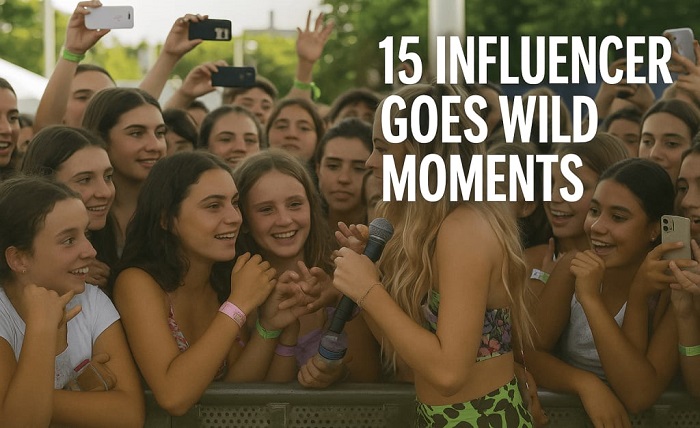
In recent years, the concept of influencers gone has become a notable trend in social media and digital marketing. Once hailed as the digital celebrities of their generation, many influencers have seen their relevance diminish over time. The rise of influencers gone highlights the fleeting nature of online fame, as audience attention shifts quickly from one personality to another. Brands, followers, and even the influencers themselves have had to adapt to this reality, learning that engagement and credibility are fragile in the fast-moving digital space.
Reasons Behind Influencers Gone
Understanding why influencers gone occurs involves looking at multiple factors. One reason is audience fatigue; followers often grow bored of repetitive content, leading to decreased engagement. Another factor is platform algorithms, which can change and reduce the reach of previously popular influencers. Moreover, scandals, missteps, or a loss of authenticity can cause influencers gone from public favor almost overnight. The concept of influencers gone serves as a reminder that digital stardom is impermanent, and both creators and brands need strategies to sustain long-term relevance.
Media Platforms and Influencers Gone
Social media platforms play a significant role in the phenomenon of influencers gone. Platforms like Instagram, TikTok, and YouTube constantly evolve, introducing new features and trends that can make some creators obsolete. The rise of short-form content, for instance, caused several long-form content creators to become influencers gone. Additionally, platform saturation creates competition, making it harder for older influencers to maintain their audience. Understanding how algorithms and trends contribute to influencers gone is essential for anyone seeking to maintain a strong digital presence.
Case Studies of Influencers Gone
Several high-profile examples illustrate the reality of influencers gone. Creators who once had millions of followers have experienced sharp declines due to changing audience interests or controversial actions. For example, some YouTubers who dominated the early 2010s are now categorized as influencers gone, while new creators continue to rise. These case studies show that staying relevant requires constant adaptation, engagement, and authenticity. The narrative of influencers gone serves as both a cautionary tale and a learning opportunity for emerging social media personalities.
Impact of Influencers Gone on Brands
The trend of influencers gone also affects brands and marketing campaigns. Companies investing heavily in influencer partnerships may see diminishing returns if the influencers they choose become influencers gone. This risk has led to more careful vetting and a focus on long-term collaboration rather than one-off campaigns. The phenomenon of influencers gone teaches brands that digital fame can be transient and that aligning with authentic, adaptive influencers is crucial for sustained engagement.
How Followers React to Influencers Gone
Followers play a significant role in the emergence of influencers gone. As audiences evolve, they may abandon influencers who fail to keep up with trends or whose content feels inauthentic. The term influencers gone reflects not only the influencers’ decline but also the shifting preferences and expectations of social media users. Some followers feel nostalgic for past stars, while others celebrate fresh faces. Understanding the dynamic between audiences and influencers gone provides insight into social media behavior and the importance of staying relevant to maintain a loyal following.
Preventing Yourself from Becoming Influencers Gone
For aspiring content creators, avoiding the fate of influencers gone requires strategy and adaptability. Regularly updating content, engaging authentically with followers, and embracing new platforms are essential. Additionally, monitoring analytics can help influencers understand audience preferences and avoid becoming influencers gone. By learning from the stories of past creators who are now categorized as influencers gone, new influencers can implement strategies that ensure longevity, relevance, and meaningful engagement in an ever-changing digital landscape.
Conclusion
The phenomenon of influencers gone highlights the impermanence of social media fame and the fast-paced nature of online culture. While the rise of influencers has transformed marketing and content creation, their decline teaches valuable lessons about authenticity, adaptability, and audience engagement. Understanding influencers gone helps both creators and brands navigate the digital ecosystem more effectively, ensuring that fleeting attention can be transformed into long-term impact.
FAQs
1. What does “influencers gone” mean?
“Influencers gone” refers to once-popular social media personalities whose relevance has decreased or who are no longer active online.
2. Why do influencers become “gone”?
Influencers become “gone” due to changing audience interests, platform shifts, scandals, or failure to adapt content strategies.
3. How does “influencers gone” affect brands?
Brands risk losing engagement and ROI if they collaborate with influencers who are considered “gone,” making authenticity and adaptability crucial.
4. Can influencers recover after becoming “gone”?
Yes, some influencers can regain relevance by rebranding, adapting content, or engaging with emerging trends to reconnect with their audience.
5. How can aspiring creators avoid becoming “influencers gone”?
Creators can avoid becoming “influencers gone” by staying authentic, experimenting with new content formats, and actively engaging with their followers.